Veikong Electric

Tag: Single Phase Inverters

VFD

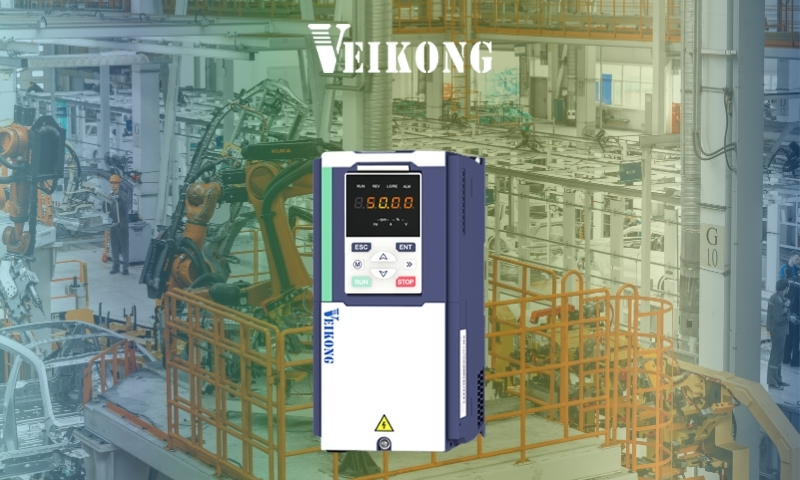
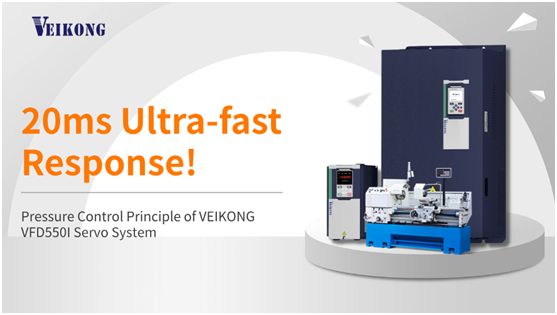
20ms Ultra-fast Response! Pressure Control Principle of VEIKONG VFD550I Servo System

In modern industrial hydraulic applications, especially in injection molding, die-casting, hydraulic presses and metal balers, system response speed and pressure stability directly determine production efficiency, product qualification rate and energy consumption. Shenzhen VEIKONG Electric, with more than 12 years of drive technology accumulation, has launched the VFD550I series electro-hydraulic servo drive, which achieves a 20ms ultra-fast pressure response through independently developed control algorithms and optimized structural design. This paper will interpret the pressure control principle of VFD550I in detail based on actual working conditions and technical parameters. What Is 20ms Ultra-fast Response The response time of a conventional hydraulic system is usually at the 100–300ms level, which leads to lag in pressure building, unstable flow and poor consistency of products. VEIKONG VFD550I shortens the pressure response time to 20ms, reaching millisecond-level closed-loop control. This means that after the system sends a pressure command, the drive can complete torque output, motor speed adjustment and oil pressure stabilization in an extremely short time, realizing “instruction arrives, pressure follows”. This index is verified under actual working conditions: pressure overshoot ≤ ±1%, steady-state pressure fluctuation ≤ ±0.5Bar. It fundamentally solves the problems of slow response, pressure overshoot and unstable molding in traditional hydraulic systems. Core Control Principle of VFD550I Closed-loop Pressure Control Algorithm The VFD550I adopts a high-precision closed-loop pressure control algorithm independently developed by VEIKONG. The algorithm collects real-time pressure signals from the oil pressure sensor, compares them with the target pressure set by the host computer, and quickly adjusts the output frequency and torque of the servo motor through high-speed calculation. The whole closed-loop process includes: This set of algorithms ensures that the system pressure is always kept within the target range, even under variable load conditions. High-speed Torque Output of PMSM The VFD550I is matched with the MFD series AC permanent magnet synchronous servo motor, which has the characteristics of low inertia, high torque density and fast dynamic response. The motor can reach rated torque in a short time, providing strong power support for 20ms pressure response. Compared with asynchronous motors, the MFD motor has 15% lower peak current and 20% higher power density, which greatly improves the response speed and control accuracy of the whole system. Multi-pump Synchronization & CAN Bus Collaboration For large hydraulic systems, VFD550I supports multi-pump confluence and diversion control based on CAN bus communication. The master-slave drives realize real-time data interaction, pressure command synchronization and flow coordinated distribution. This structure ensures that multiple pumps can act synchronously or separately, further shortening the pressure building time and improving the overall response speed of the system. Technical Parameters Supporting Ultra-fast Response These parameters ensure that the VFD550I can maintain stable and fast response under long-term continuous operation and heavy load impact. Application Benefits of 20ms Ultra-fast Response Higher Production Efficiency Millisecond-level response shortens the molding cycle, and the overall efficiency of injection molding and die-casting equipment is increased by more than 10%. More Stable Product Quality Pressure stability ensures consistent product size and density. Positioning accuracy can reach 0.1mm, significantly reducing the defective rate. Better Energy-saving Effect Fast and accurate pressure control reduces no-load flow loss and invalid energy consumption. The actual power saving rate can reach 20%–60%. Conclusion VEIKONG VFD550I electro-hydraulic servo system achieves 20ms ultra-fast pressure response through advanced closed-loop algorithm, high-performance permanent magnet synchronous motor and reliable bus communication technology. It perfectly meets the high-precision and high-efficiency needs of modern hydraulic equipment. As a professional provider of electro-hydraulic servo solutions, VEIKONG will continue to invest in R&D and provide more stable, efficient and energy-saving products for global industrial customers. 
Read More »
VFD

How to Reduce Electricity Bills in Manufacturing Using VFD?

In the modern manufacturing environment, one of the major problems facing plant managers is the ever-increasing cost of electricity. Generally, most of the operational costs are attributed to energy-intensive equipment, particularly motor-driven systems. The good news? Variable Frequency Drives (VFDs) offer one of the most effective and proven ways to reduce electricity bills without compromising productivity. At Veikong Electric, we believe that intelligent motor control is the foundation of energy-efficient manufacturing. This guide explains how VFDs work, why they save energy, and how your facility can leverage them for measurable cost reduction. What is a VFD and Why Does It Matter? A Variable Frequency Drive (VFD) is an intelligent motor controller that varies the speed and torque of an electric motor by varying the frequency and voltage of its power supply. Conventional motors run at full speed regardless of actual demand; they waste energy by consuming more than what is required for their operation, resulting in high electricity bills. VFDs solve this problem by adjusting motor speeds according to real-time load demands so that only necessary energy gets consumed. How VFDs Reduce Electricity Consumption Traditional setups often run motors at full capacity, then use mechanical devices like valves or dampers to throttle the output. This wastes significant energy. VFDs get rid of this inefficiency by directly controlling motor speeds, which greatly cuts power consumption. Result: No throttling losses, no wasted electricity. For applications like pumps and fans, power consumption is proportional to the cube of motor speed. This is why even small speed adjustments lead to huge cost reductions. Depending on the application, VFDs can deliver: These savings directly translate into lower electricity bills and a fast ROI (often within 1–2 years). Efficiency VFDs also improve your system’s overall electrical efficiency. They do this by enhancing power factor and reducing reactive power losses. That means lower utility charges for wasted energy, further shrinking your bill. Electricity bills in manufacturing often include demand charges based on peak usage. VFDs: Result: Lower peak demand penalties and more stable energy consumption. Key Manufacturing Applications for VFD Savings VFDs are particularly effective in systems where the load varies throughout operation: Pumps & Water Systems Fans & Ventilation Systems Compressors Conveyors & Material Handling Additional Cost-Saving Benefits Beyond Energy VFDs allow for soft start and deceleration. This lessens mechanical shock to motors and equipment, resulting in less wear, less maintenance, and less downtime. Motors don’t constantly run at full speed or endure harsh starts with VFDs. This extends their useful life, saving you money on early replacements. Precise speed control leads to: How to Implement VFDs in Your Manufacturing Facility At Veikong Electric, we recommend a structured approach: Step 1: Identify High-Energy Motors Focus on: These typically offer the highest ROI. Step 2: Analyze Load Variability VFDs deliver maximum savings when: Step 3: Choose the Right VFD Solution Select drives based on: Veikong Electric VFDs are designed for industrial reliability, precision control, and maximum energy efficiency. Step 4: Integrate with Automation Systems Combine VFDs with: Enables real-time optimization and smart energy management. Why Choose Veikong Electric for VFD Solutions? At Veikong Electric, we go beyond just supplying drives, we deliver complete energy-saving solutions: Our mission is simple: help manufacturers reduce energy consumption while improving productivity. Conclusion Reducing electricity bills in manufacturing is no longer optional, it’s essential for competitiveness and sustainability. By implementing VFDs, manufacturers can: In an era of rising energy costs, VFDs are not just an upgrade, they are a strategic investment. Ready to Reduce Your Energy Costs? Partner with Veikong Electric to implement intelligent VFD solutions tailored to your manufacturing facility, and start saving energy from day one.

Read More »
VFD

How to Choose the Right Variable Frequency Drive (VFD) for Your Motor?

The modern industrial world places greater importance on efficiency, accuracy, and longevity of equipment than ever before. Whether you are operating pumps, fans, conveyors, compressors, or specialized machinery, selecting the right Variable Frequency Drive (VFD) for your motor can significantly improve performance while reducing energy consumption and maintenance costs. At VEIKONG Electric, we know that selecting the best VFD cannot be as simple as matching voltage and power ratings. It concerns identifying a dependable drive solution that meets your motor attributes, application, and requirements based on control and long-term operating objectives. We have decades of experience in the research, production, and distribution of high technology AC drives and frequency inverters, which have assisted industries the world over to make optimal use of their motor control systems. This guide will take you through the key considerations in selecting the appropriate VFD to fit your motor. The first step is to compile the essential technical information of the motor before choosing the VFD. The specifications are normally located on the motor nameplate and are important for drive matching. Important motor data includes: These electrical parameters should be compatible with the VFD to assure safe and efficient operation. The type of load is one of the most significant factors in selecting a VFD since various applications have varying torque characteristics and requirements. Variable torque applications Examples include: These loads generally have lower torque requirements at lower speeds and are therefore suited to energy-saving VFD control. Constant torque applications Examples include: These applications need steady torque across the speed range. Constant horsepower applications Examples include: Such systems require constant power at varying rates. The selection of an incorrect type of drive to drive the load will lead to either poor performance, overheating, or unnecessary loss of energy. One of the misconceptions is to choose a VFD depending solely on the horsepower of the motor. Horsepower is important, but, currently, rating may be more critical. Why? Due to heavy-duty loads on motors, the current may be exceeded. VEIKONG recommendation: Always compare: Then select a VFD that has enough current-carrying capacity. In harsh industrial applications, a small oversizing of the VFD may be used to offer extra reliability and thermal protection. Your facility’s available power supply directly affects VFD selection. Key questions to ask: VEIKONG Electric has single-phase and three-phase VFDs available to accommodate various industrial systems and installation environments. Not every application requires the same level of speed and precision. Basic applications may only need: Advanced systems may require: In high-performance motor applications, the high-speed torque, constant operation, and responsive motor behavior of VEIKONG are offered through the advanced use of vector control technology. The installation environment greatly impacts VFD reliability. Consider factors such as: When the VFD is to be used in severe industrial conditions, extra enclosure protection or cooling provisions might be required. High-quality thermal management and robust drive construction contribute to the system’s life. Modern VFDs do much more than control speed. They also protect both the motor and connected equipment. Important safety protections include: At VEIKONG Electric, reliability and equipment safety remain core priorities in our drive designs. In smart factories and automated systems, communication capability matters. Consider whether your VFD needs integration with: Selecting a drive with the right communication protocols ensures smoother automation and better process monitoring. One of the biggest benefits of using a VFD is energy savings. By adjusting motor speed according to actual load demand instead of running continuously at full speed, businesses can significantly lower power consumption. VEIKONG highlights that reducing motor speed in non-peak demand conditions can dramatically improve efficiency while extending component life. For pumps and fans especially, VFD-based speed control often delivers substantial operational cost savings. Even the best specifications mean little without product quality, technical support, and long-term reliability. When selecting a VFD supplier, consider: At VEIKONG Electric, quality is the life of our enterprise. With advanced R&D, strict quality management standards, and years of industry expertise, we deliver dependable VFD solutions trusted across diverse industrial sectors. Final Thoughts The selection of a Variable Frequency Drive suitable for your motor is a strategic move that influences the energy consumption, reliability of your system, quality of your production, and the maximum start and stop life of your equipment. The best VFD selection comes from understanding: At VEIKONG Electric, we are determined to assist businesses in getting intelligent motor control solutions that enhance performance in their operations and lower the total cost. Whether you need a VFD for pumps, conveyors, compressors, fans, or custom industrial systems, our professional team is ready to support your application with reliable, high-performance drive technology. Need Help Selecting the Right VFD? Contact VEIKONG Electric today to discuss your motor application requirements. Our experts can help you choose the most suitable Variable Frequency Drive solution for maximum efficiency, protection, and performance. Explore our VFD solutions: VEIKONG Electric VFD Solutions.

Read More »
VFD inverter

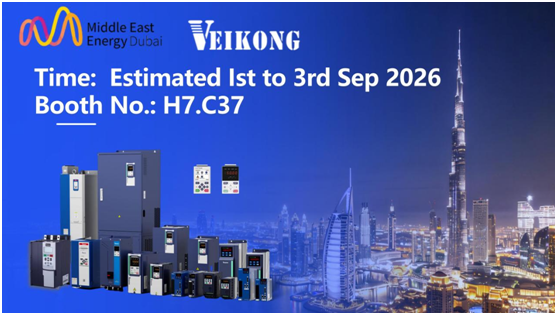
VEIKONG Announces Rescheduling of Middle East Energy Dubai 2026

Dubai, UAE Due to the ongoing conflicts and unstable situation in the Middle East, the organizers of the Middle East Energy Dubai 2026 exhibition have officially announced that the event will be rescheduled. The exhibition will now take place from September 1st to 3rd, 2026, at the Dubai World Trade Centre. VEIKONG, a seasoned Chinese manufacturer specializing in industrial automation and power conversion, confirms its participation on the new dates. We will still be located at Booth H7.C37, ready to welcome attendees, distributors, and industry partners from across the region. What to Expect in September While the dates have changed, our excitement for meeting you in Dubai has only grown. Looking ahead to September, we look forward to sharing more new products and solutions with everyone. Our R&D team has been working on several exciting updates, and the rescheduled exhibition gives us the opportunity to bring even more innovations to showcase—products designed to address the evolving needs of the Middle East’s industrial and infrastructure sectors. What We’ll Be Showcasing Visitors to our booth can still explore our core lineup: – Industrial AC Drives – Advanced control technology for optimized motor performance and energy efficiency – Servo Drive Systems – Precision motion control for packaging, textile, and automation applications – Solar Pump Inverters – Renewable energy solutions ideal for agricultural irrigation and remote water supply projects – Smart Automation Solutions – Integrated systems enabling remote monitoring and centralized control Why VEIKONG? With over 10 years of experience in the industrial automation sector, VEIKONG has built a solid reputation for reliability and innovation. We believe in practical solutions that solve real-world problems, backed by rigorous testing and dedicated customer support. Mark Your Calendar – New Dates: September 1–3, 2026 – Location: Dubai World Trade Centre – Booth:H7.C37 We understand that schedule changes can be inconvenient, but we truly look forward to connecting with you in September—and sharing what’s new. Our team will be ready to discuss how VEIKONG’s solutions can address your operational challenges, whether you’re looking to reduce energy costs, improve system reliability, or upgrade aging equipment. For inquiries or to schedule a meeting during the rescheduled show, please contact us directly. About VEIKONG: VEIKONG is a Chinese manufacturer specializing in general-purpose inverters, servo drives, and automation solutions. With over 10 years of industry experience, we are dedicated to providing reliable, innovative products that help our customers work smarter and more efficiently. Stay tuned for further updates as we approach the new dates.

Read More »
VFD Solar pump

Things to Know Before Selecting a Solar Pump Inverter for Industrial Use

With the rise of sustainable energy and smart automation in industries, solar-powered water pumps are really making waves, especially for sectors that depend on large water supplies, like irrigation and operations at remote locations. At the core of a well-functioning solar water pumping system is a key player: the solar pump inverter. Picking the right inverter is crucial. It can really impact whether your system runs smoothly and efficiently or ends up being costly and inconsistent. What Is a Solar Pump Inverter? A solar pump inverter, sometimes referred to as a solar variable frequency drive (VFD), is an intelligent power converter that takes the direct current (DC) from solar panels and transforms it into controlled alternating current (AC) to drive industrial water pumps. Unlike conventional inverters, these devices adapt output frequency dynamically based on sunlight intensity, maximizing pump performance even under fluctuating solar conditions. Key Industrial Considerations Before Choosing an Inverter When it comes to solar setups, Maximum Power Point Tracking (MPPT) is something you definitely want to pay attention to. These MPPT algorithms work by continuously adjusting the inverter’s input to pull the most power from solar panels, which is especially useful when lighting conditions change. Top-notch industrial inverters can hit ultra-high MPPT efficiencies, often over 99%. This means you’re getting the most energy you can out of your solar setup, leading to better water output. Why It Matters: When your MPPT efficiency is high, your system can pump more water using the same solar array. This is super important for large irrigation projects, cooling systems in industrial settings, and community water supplies. For industrial uses, you’ll find a variety of power ratings. You might need small 2 kW systems for mid-sized operations, or much larger inverters that can handle hundreds of kW for extensive pumping systems. It’s crucial to make sure your inverter meets the power requirements of your pump motor, and can accommodate any future growth. Pro Tip: To keep things running smoothly, align your inverter rating with your solar array and pump motor. This will help you avoid any inefficiencies Top industrial inverter systems include hybrid AC/DC input support. This means if solar power dips (e.g., cloud cover), the system can automatically switch to grid or generator power to prevent downtime. Hybrid inputs maximize uptime and reliability, especially vital for industrial water systems where continuity is non-negotiable. Important Functional Features for Industrial Environments Solar pump inverters automatically adjust output frequency and voltage in real time based on sunlight and demand. This variable speed control improves efficiency, extends equipment life, and protects against mechanical stress. Industrial pumping systems must be dependable. Choose inverters equipped with comprehensive protection features such as: These protect both the pump and the inverter, reducing downtime and expensive maintenance calls. With options like GPRS, Wi-Fi, and cellular access, you can keep an eye on things and manage operations from a distance. This means industrial operators can check performance metrics, get alerts, and adjust without needing to be physically present. It’s particularly useful for large facilities or industries that operate off the grid. Environment & Durability: Industrial Must-Haves Equipment in industrial environments faces tough conditions, whether it’s dusty fields or wet coastal areas. So, when you’re looking around, consider these: Return on Investment (ROI) Switching from diesel or grid-dependent pumps to solar inverter-driven systems delivers: Industrial users often notice that advanced pump inverters can pay for themselves thanks to better efficiency and lower maintenance costs. Final Thoughts: Make the Smart Choice When you’re picking a solar pump inverter for industrial use, it’s not just about the power ratings or how it performs. You really need to consider how reliable, adaptable, and efficient it is for what you specifically need in your operation. Whether you’re running extensive irrigation systems, overseeing water treatment processes, or supplying power to remote industrial locations, it’s essential to invest in an inverter that can grow with you, offers smart control options, and provides value over the long haul. Check out Veikong Electric’s solar pump inverter products. They’re designed to fit a variety of industrial needs with features like intelligent MPPT control, strong protection mechanisms, flexible hybrid power options, and global support.

Read More »
VFD

Comparing Power Savings: Solar Panel VFD vs. Standard Solar Inverter Systems

Picking the right power conversion system is super important these days for getting the most out of renewable energy, saving money, and making sure everything runs well. Solar power setups depend on some pretty advanced tech to turn sunlight into electricity we can actually use. Still, not all systems are created equal. When it comes to solar power, two options you’ll often hear about are Solar Panel VFD systems and Standard Solar Inverter systems. Both change sunlight into power, but how well they work and how much money they save can change a lot based on your specific needs. In this blog, we’ll explain the differences between these two choices, see how they do in typical situations, and figure out which one is better for saving power. That way, you can pick the best setup for your solar power needs. How They Differ in Power Savings and Efficiency? A regular solar inverter’s main job is to turn solar energy into usable electricity as efficiently as it can. It makes sure you get a good, steady stream of power. Better inverters use tech to keep your solar panels working at their best, even when the sun isn’t constant. A solar VFD does even more, especially for systems that use motors. It not only changes the power but also controls the motor’s speed. By adjusting the voltage and frequency to match what the motor needs, it cuts down on wasted power. In simple terms: Solar inverters are great at getting the most energy they can, but solar VFDs are better at controlling both where the energy comes from and how it’s used, which is useful if you have motors or certain appliances. Solar inverters are great at getting the most energy from panels. But usually, they send out that power at a set rate unless they have extra controllers. Solar VFD systems are ideal for times when loads change, like with irrigation pumps, fans, or machines. VFDs can cut down on wasted electricity a lot better than systems that run at one speed. They do this by automatically changing the motor speed to fit what’s needed at the moment. Regular Solar Inverter Systems: Solar inverters make your system better by grabbing as much power as they can with MPPT and giving a clean AC output. This gives you more usable energy and means you don’t have to rely on grid electricity as much. Solar Panel VFD Systems: Besides being good at turning power, VFDs that run on solar power also lower how much power is wasted while running, by matching the load. So, instead of always running things at the same speed, they adjust the motor power to what’s needed. This can cut electricity use for motor-powered systems quite a bit in real life. Solar VFDs can cut energy costs by 60–80% in some off-grid pumping systems when compared to fixed-speed systems. Standard solar inverter systems are usually easier to set up and use. They don’t require a lot of specialized setup and work well with both grid-tied and off-grid systems. Solar VFD inverter systems are more complex since they combine inverter functions with variable frequency control. They are good for motor-driven uses but might be too much for basic home solar power needs that don’t have motors or variable loads. Which System Saves More Power Overall? For general solar electricity generation: A standard solar inverter usually has great efficiency (95–98% conversion, plus MPPT gains) and gets the most usable energy from your panels. It’s the best choice for homes and businesses just wanting renewable power. For systems with motor loads or variable demand: A solar panel VFD system could save more energy long-term. It changes solar energy into a usable form and also manages how devices like pumps, fans, and HVAC systems use that energy. This management leads to more energy savings than a regular inverter can provide. Final Thoughts: A Smart Choice Depends on Your Needs Both technologies have their place in solar power systems: The system that saves the most power isn’t necessarily the one with the best conversion rate. It’s the one that effectively aligns energy production with actual usage.

Read More »
solar-pump-inverter

Guide to 3-Phase Solar Inverter – What Should You Know?

A 3-phase solar inverter is an expedient that changes direct current (DC) electricity produced from solar panels to alternate current (AC) and allocates it crosswise a three-phase power supply. Generally, 3 phase inverters cost more than a solar inverter of analogous quality. A three-phase power generation, broadcast, and distribution scheme are very common around the globe because of solid compensations over a single-phase and other multiphase arrangements. It is ideal to find one of the best variable frequency manufacturers for buying a 3-phase solar pump inverter, variable speed drive, general-purpose frequency inverter, and many others at reasonable prices. Below, I’m going to share some important things about solar pump inverters that you should know. Do You Need A 3-Phase Solar Inverter? If you do have 3 phase influence, you don’t essentially require a 3-phase inverter, a single-phase inverter may do – however 3 phase inverters are generally suggested by electricians to diminish the risk of voltage rise. If you don’t have 3 phase power, then you don’t require a 3-phase inverter. When considering up a 3-phase inverter, deliberate these points: You don’t mislay cash with a single-phase inverter A 3-phase inverter can decrease voltage risk Net Imports and Exports with Single Phase Inverters Opposing popular certainty, you won’t be out of concise if you use a single-phase solar inverter with a 3-phase power source. If you are consuming power on two dissimilar phases, and transferring all of your solar energy over your single-phase inverter, your meter nets off the total ingresses and exports. The expedient that permits all this to happen is 3 phase digital meter, and it’s likely to be the multiphase meter. Here’s how it works: Phase 1: Solar transferred to the grid Phase 2: Large air-conditioner Phase 3: Immediate electric hot water If you are using a huge air-conditioner and an instant electric hot water system at a similar time on dissimilar phases. On the other point, you are distributing solar back to the grid via a single-phase solar inverter. Generally, you might obtain a feed-in tariff of around 10c for the extrasolar energy, though you could imagine recompensing wherever between 18- – 40c to purchase electricity from the grid to power utilization. If you were getting 10c although compensable for 30c for electricity, you would be out-of-pocket. Luckily, the 3 phase meter nets off your ingresses and exportations to the grid. So, you can use a single-phase inverter and self-consume the power you produce from solar panels – even if it is used on a dissimilar phase. What is Voltage Rise? A voltage upsurge is an alteration between the grid voltage and the higher inverter voltage. Inverters generally have a slightly higher power, just high sufficient so that they can direct the additional solar energy back to the grid. What is The Risk of Voltage Rise? If there are several solar schemes connected on your street, the power of the grid can increase during times of high production when extrasolar is directed back to the grid. If the power of the grid retains rising, your inverter must increase just above it. Though if the power of your inverter increases too high, it may switch off to shield itself. If the inverters switch off, your scheme shifts off. How a 3-Phase Inverter Can Solve Voltage Rise Issues? If you have 3 phase power, a 3-phase solar inverter decreases the danger of voltage increase by sending solar back to the grid via three cables and not one. For this purpose, if you have 3 phase power, you’re better off paying a bit extra for a 3-phase inverter. If you have don’t have 3-phase power, increasing the cable extent can decrease resistance and so lower the power. The above-mentioned information will help you in knowing about 3-phase inverters. You can find one of the top variable frequency drive manufacturers for buying high-quality variable speed drives, single-phase solar pump inverters, general-purpose inverters, and many others at affordable prices.

Read More »

Call Now