
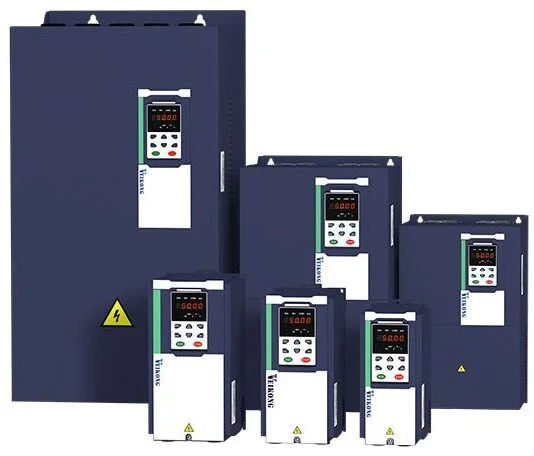
With the rise of sustainable energy and smart automation in industries, solar-powered water pumps are really making waves, especially for sectors that depend on large water supplies, like irrigation and operations at remote locations.
At the core of a well-functioning solar water pumping system is a key player: the solar pump inverter. Picking the right inverter is crucial. It can really impact whether your system runs smoothly and efficiently or ends up being costly and inconsistent.
What Is a Solar Pump Inverter?
A solar pump inverter, sometimes referred to as a solar variable frequency drive (VFD), is an intelligent power converter that takes the direct current (DC) from solar panels and transforms it into controlled alternating current (AC) to drive industrial water pumps.
Unlike conventional inverters, these devices adapt output frequency dynamically based on sunlight intensity, maximizing pump performance even under fluctuating solar conditions.
Key Industrial Considerations Before Choosing an Inverter
- Efficiency and MPPT Technology
When it comes to solar setups, Maximum Power Point Tracking (MPPT) is something you definitely want to pay attention to. These MPPT algorithms work by continuously adjusting the inverter’s input to pull the most power from solar panels, which is especially useful when lighting conditions change.
Top-notch industrial inverters can hit ultra-high MPPT efficiencies, often over 99%. This means you’re getting the most energy you can out of your solar setup, leading to better water output.
Why It Matters: When your MPPT efficiency is high, your system can pump more water using the same solar array. This is super important for large irrigation projects, cooling systems in industrial settings, and community water supplies.
- Power Capacity and Scalability
For industrial uses, you’ll find a variety of power ratings. You might need small 2 kW systems for mid-sized operations, or much larger inverters that can handle hundreds of kW for extensive pumping systems.
It’s crucial to make sure your inverter meets the power requirements of your pump motor, and can accommodate any future growth.
Pro Tip: To keep things running smoothly, align your inverter rating with your solar array and pump motor. This will help you avoid any inefficiencies
- Hybrid Inputs: Solar & Grid Compatibility
Top industrial inverter systems include hybrid AC/DC input support. This means if solar power dips (e.g., cloud cover), the system can automatically switch to grid or generator power to prevent downtime.
Hybrid inputs maximize uptime and reliability, especially vital for industrial water systems where continuity is non-negotiable.
Important Functional Features for Industrial Environments
- Automatic Frequency & Speed Control
Solar pump inverters automatically adjust output frequency and voltage in real time based on sunlight and demand. This variable speed control improves efficiency, extends equipment life, and protects against mechanical stress.
- Protection Mechanisms
Industrial pumping systems must be dependable. Choose inverters equipped with comprehensive protection features such as:
- Dry-run protection
- Low water/full water detection
- Over-voltage & under-voltage safeguards
- Over-heat and short-circuit protection
These protect both the pump and the inverter, reducing downtime and expensive maintenance calls.
- Remote Monitoring & Control
With options like GPRS, Wi-Fi, and cellular access, you can keep an eye on things and manage operations from a distance.
This means industrial operators can check performance metrics, get alerts, and adjust without needing to be physically present. It’s particularly useful for large facilities or industries that operate off the grid.
Environment & Durability: Industrial Must-Haves
Equipment in industrial environments faces tough conditions, whether it’s dusty fields or wet coastal areas. So, when you’re looking around, consider these:
- High IP protection ratings (like IP55) to keep out dust and water.
- Sturdy construction that can handle temperature extremes.
- Heavy-duty cooling systems for reliable operation under high loads.
Return on Investment (ROI)
Switching from diesel or grid-dependent pumps to solar inverter-driven systems delivers:
- Lower operational costs
- Zero fuel costs
- Reduced carbon footprint
- Long-term savings despite higher upfront investment
Industrial users often notice that advanced pump inverters can pay for themselves thanks to better efficiency and lower maintenance costs.
Final Thoughts: Make the Smart Choice
When you’re picking a solar pump inverter for industrial use, it’s not just about the power ratings or how it performs. You really need to consider how reliable, adaptable, and efficient it is for what you specifically need in your operation.
Whether you’re running extensive irrigation systems, overseeing water treatment processes, or supplying power to remote industrial locations, it’s essential to invest in an inverter that can grow with you, offers smart control options, and provides value over the long haul.
Check out Veikong Electric’s solar pump inverter products. They’re designed to fit a variety of industrial needs with features like intelligent MPPT control, strong protection mechanisms, flexible hybrid power options, and global support.