
Picking the right power conversion system is super important these days for getting the most out of renewable energy, saving money, and making sure everything runs well. Solar power setups depend on some pretty advanced tech to turn sunlight into electricity we can actually use. Still, not all systems are created equal.
When it comes to solar power, two options you’ll often hear about are Solar Panel VFD systems and Standard Solar Inverter systems. Both change sunlight into power, but how well they work and how much money they save can change a lot based on your specific needs.
In this blog, we’ll explain the differences between these two choices, see how they do in typical situations, and figure out which one is better for saving power. That way, you can pick the best setup for your solar power needs.
How They Differ in Power Savings and Efficiency?
- Conversion and Optimization
A regular solar inverter’s main job is to turn solar energy into usable electricity as efficiently as it can. It makes sure you get a good, steady stream of power. Better inverters use tech to keep your solar panels working at their best, even when the sun isn’t constant.
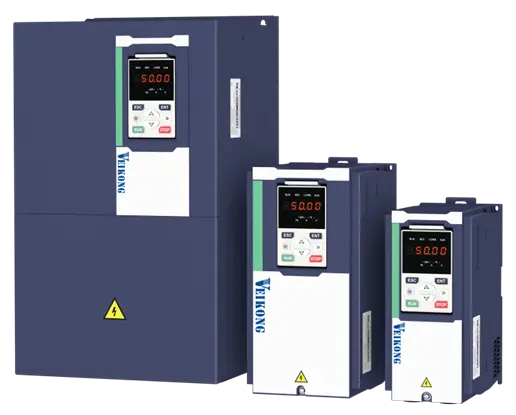
A solar VFD does even more, especially for systems that use motors. It not only changes the power but also controls the motor’s speed. By adjusting the voltage and frequency to match what the motor needs, it cuts down on wasted power.
In simple terms: Solar inverters are great at getting the most energy they can, but solar VFDs are better at controlling both where the energy comes from and how it’s used, which is useful if you have motors or certain appliances.
- Load-Matching Well
Solar inverters are great at getting the most energy from panels. But usually, they send out that power at a set rate unless they have extra controllers.
Solar VFD systems are ideal for times when loads change, like with irrigation pumps, fans, or machines. VFDs can cut down on wasted electricity a lot better than systems that run at one speed. They do this by automatically changing the motor speed to fit what’s needed at the moment.
- Savings in Action
Regular Solar Inverter Systems: Solar inverters make your system better by grabbing as much power as they can with MPPT and giving a clean AC output. This gives you more usable energy and means you don’t have to rely on grid electricity as much.
Solar Panel VFD Systems: Besides being good at turning power, VFDs that run on solar power also lower how much power is wasted while running, by matching the load. So, instead of always running things at the same speed, they adjust the motor power to what’s needed. This can cut electricity use for motor-powered systems quite a bit in real life.
Solar VFDs can cut energy costs by 60–80% in some off-grid pumping systems when compared to fixed-speed systems.
- System Complexity & Integration
Standard solar inverter systems are usually easier to set up and use. They don’t require a lot of specialized setup and work well with both grid-tied and off-grid systems.
Solar VFD inverter systems are more complex since they combine inverter functions with variable frequency control. They are good for motor-driven uses but might be too much for basic home solar power needs that don’t have motors or variable loads.
Which System Saves More Power Overall?
For general solar electricity generation:
A standard solar inverter usually has great efficiency (95–98% conversion, plus MPPT gains) and gets the most usable energy from your panels. It’s the best choice for homes and businesses just wanting renewable power.
For systems with motor loads or variable demand:
A solar panel VFD system could save more energy long-term. It changes solar energy into a usable form and also manages how devices like pumps, fans, and HVAC systems use that energy. This management leads to more energy savings than a regular inverter can provide.
Final Thoughts: A Smart Choice Depends on Your Needs
Both technologies have their place in solar power systems:
- If you mainly want to convert solar power for things like lights, appliances, or sending power back to the grid, a standard solar inverter is a reliable and efficient choice.
- If you have equipment with motors or appliances with variable power needs, a solar VFD system can save more energy by matching power output to what’s actually needed.
The system that saves the most power isn’t necessarily the one with the best conversion rate. It’s the one that effectively aligns energy production with actual usage.